We fill private diaries with high-value consultations that attend and convert. You do the dentistry.
Everything you can see sits above the waterline: the ads, the website, the budget. What actually decides whether an enquiry becomes a case sits below it, in five places nobody is watching. None of them are clinical and none of them are the ad.
Seven things that decide whether a cosmetic or implant enquiry becomes a started case. Tick the ones your practice does today.
Aligners, bonding, veneers, whitening, implants and full-arch work. Not check-ups, hygiene or emergencies.
The plan case behind this: three enquiries in ten book, three quarters of those attend once a deposit is held, and 40 per cent of the consultations you sit start treatment. Each unticked box applies a penalty to the stage it actually damages, so a slow first response costs you bookings, no deposit costs you attendance, and no follow-up after the consultation costs you acceptance. The advertising figure is what a properly run cosmetic campaign adds at the budget we would recommend. None of it is clinical and the first block needs no ad budget at all.
I'm a dentist, not a marketer who found dentistry. Over two years I shadowed clinicians and sat with practice owners, and the same picture came back every time. Enquiries arriving at eight in the evening, called back the following afternoon. Reception chasing cosmetic leads between patients. Consultations booked three weeks out with nothing taken to hold them. Nobody able to say what a patient in the chair actually cost.
Hearing that once is an anecdote. Hearing it repeatedly, from serious clinicians, is a brief. So I built against it, and made one decision that shaped the rest: leads do not pay anyone, so I would measure success in attended consultations or not launch at all.
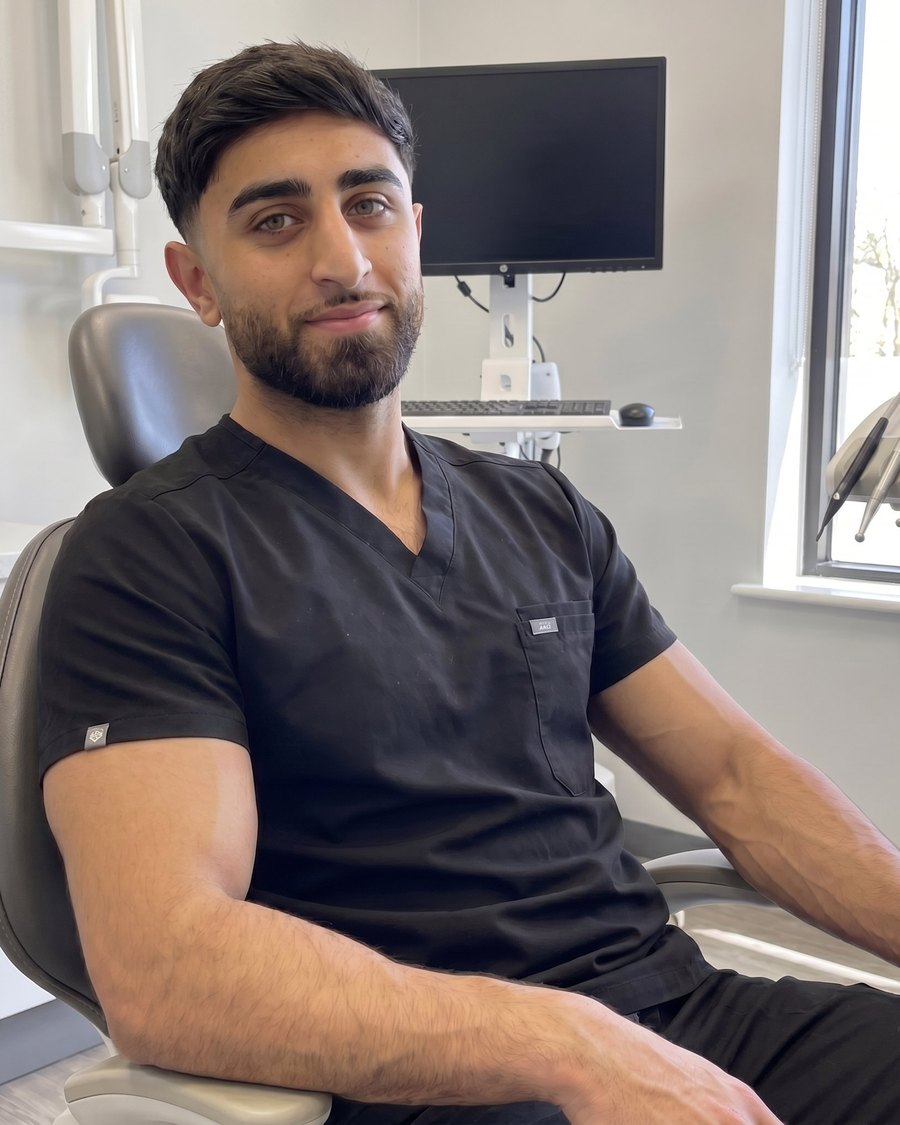
Not another marketer. One of you.
Led by a dentist. Everything under that is a specialist doing one job.
The phones are UK dental nurses and practice receptionists, working evenings and Saturdays. The creative is filmed at your practice.
Four stages from stranger to treatment started. We hold every one of them until your patient sits down.
Everyone in this market will sell you leads. We are only paid when a patient turns up.
Attended means the patient sat in your chair. Not a form fill, not a booking, not a no-show. Your exact number depends on your area and your ad budget, and it's agreed in writing before anything goes live.
It's the floor, not the forecast. We expect to beat it comfortably, and we'd rather be judged on what we deliver than on what we're held to.
An offer is only worth considering if you can see where the downside stops. Here is exactly where yours does.
We work with a small number of practices at a time, so it's worth being honest about fit before either of us spends a call on it.
You were buying leads. A lead is a phone number belonging to someone who clicked, and the overwhelming majority of them never start treatment anywhere.
We're paid on patients who attend, so the pressure to filter hard sits with us rather than with you. Fewer enquiries reach your diary, and more of them are worth the chair time.
We agree a number of attended, qualified consultations for a 90-day period, alongside the monthly ad budget it's priced against. It goes into the agreement in writing before anything goes live, and the 90 days start the day your ads do.
If we come up short, you get a pro-rata refund of our fee. It comes out of what you pay us, never out of your ad budget. We'd rather commit to a number we'll beat than one that sounds impressive.
A small monthly retainer plus a fee for every attended consultation. Your ad budget is separate and goes straight into your own account, where you own the data.
Most agencies take a flat retainer whether patients turn up or not. Ours is structured so the majority of what we earn depends on the same number you're judging us on. Exact figures depend on your area and treatment mix, and we go through them on the call.
Thirty minutes, dentist to dentist. We look at whether your area is still open, which treatments you want more of, how many consultation slots you can realistically release, and what happens today when an enquiry comes in.
You'll leave with a straight view on whether this would work for your practice and the number we'd be prepared to commit to. If it wouldn't work, we say so on that call rather than book you a second one.
High-value private treatment, which is mostly cosmetic and implant work: Invisalign and clear aligners, composite bonding, veneers, whitening, implants and full-arch cases, and smile makeovers combining several of them.
We stay out of low-value treatments on purpose. They generate cheap enquiries, fill your diary and don't pay for the chair time.
Yes, and it matters to us because it's our registration on the line as well as yours. Suitability wording sits in every ad and landing page as standard rather than as an afterthought.
Before-and-after images are treated exactly as testimonials are under the advertising codes: real patients, typical results rather than your best-ever case, never retouched, with specific consent that we write for you. Most practices are holding blanket consent forms that wouldn't stand up.
Thirty minutes on your funnel, and you keep the audit either way.
Thirty minutes, dentist to dentist. A working session, not a pitch.